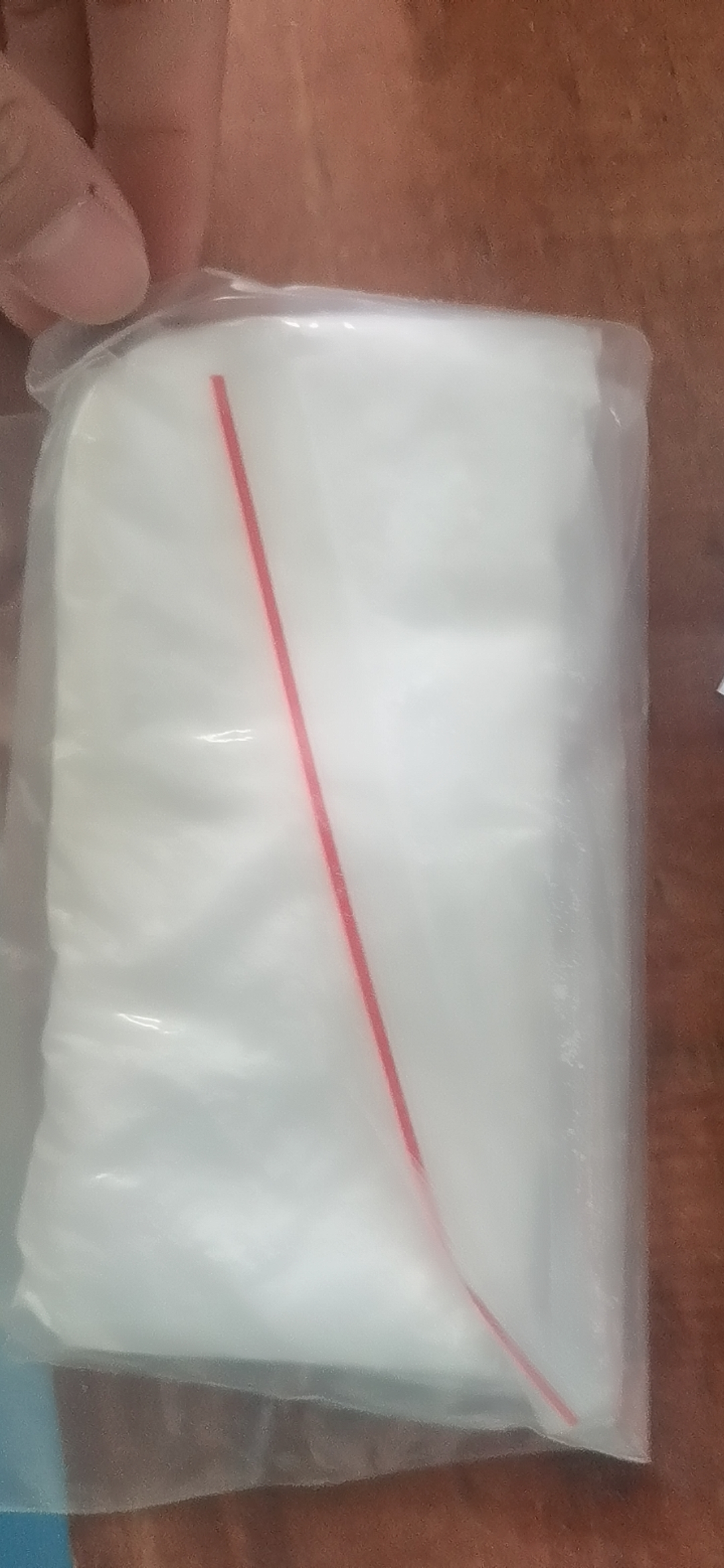
CAS Number: 101-76-8
4,4'-Dichlorodiphenylmethane
4,4'-Dichlorodiphenylmethane is a chemical compound that has potential applications in different fields. One of its main uses is as a building block in the production of various chemicals such as polymers, resins, and plastics. It can be used to produce different types of materials that have a variety of applications in different industries such as automotive, aerospace, and construction. In addition to its use in the production of chemicals, 4,4'-Dichlorodiphenylmethane can also be used as a pesticide. It is known for its ability to control different types of pests such as termites and wood-boring insects. However, its use as a pesticide has been restricted due to environmental concerns and potential health risks.
Supplier Information
HM Chemical Trading GmbH supplies industrial-grade specialty chemicals and raw materials with reliable international logistics support.
References
-
Selective preparation of 4,4?-dichlorodiphenylmethane over zeolite K-L catalyst using sulfuryl chloride
This study by Kale and Singh (2002) investigates the selective liquid-phase chlorination of diphenylmethane (DPM) to 4,4?-dichlorodiphenylmethane (4,4?-DCDPM) using sulfuryl chloride (SO?Cl?) as the chlorinating agent under mild conditions (333 K, atmospheric pressure). Among various zeolite catalysts tested, zeolite K-L demonstrated the highest activity and selectivity, achieving 96.8 wt.% DPM conversion, a reaction rate of 19.1 mmol g?¹ h?¹, and a 4,4?-DCDPM/2,4?-DCDPM isomer ratio of 7.4 after one hour. The study further shows that using 1,2-dichloroethane as the solvent at 353 K improves the isomer ratio to 9.7. Increasing catalyst concentration, reaction temperature, and SO?Cl? concentration (i.e., lower DPM/SO?Cl? molar ratio) favors the formation of 4,4?-DCDPM, which proceeds via the consecutive chlorination of 4-monochlorodiphenylmethane (4-CDPM). However, recycling the zeolite K-L leads to reduced activity and selectivity due to decreased crystallinity and the extraction of Al³? and K? ions by HCl generated during the reaction. Mechanistically, SO?Cl? decomposes into SO? and Cl?, and the zeolite polarizes Cl? to generate an electrophile (Cl?) that attacks DPM. Compared to conventional Lewis acid catalysts like AlCl?, zeolite K-L offers superior regioselectivity and practical advantages for producing 4,4?-DCDPM, a valuable intermediate for agricultural and pharmaceutical chemicals.
DOI: 10.1016/S1381-1169(02)00020-1