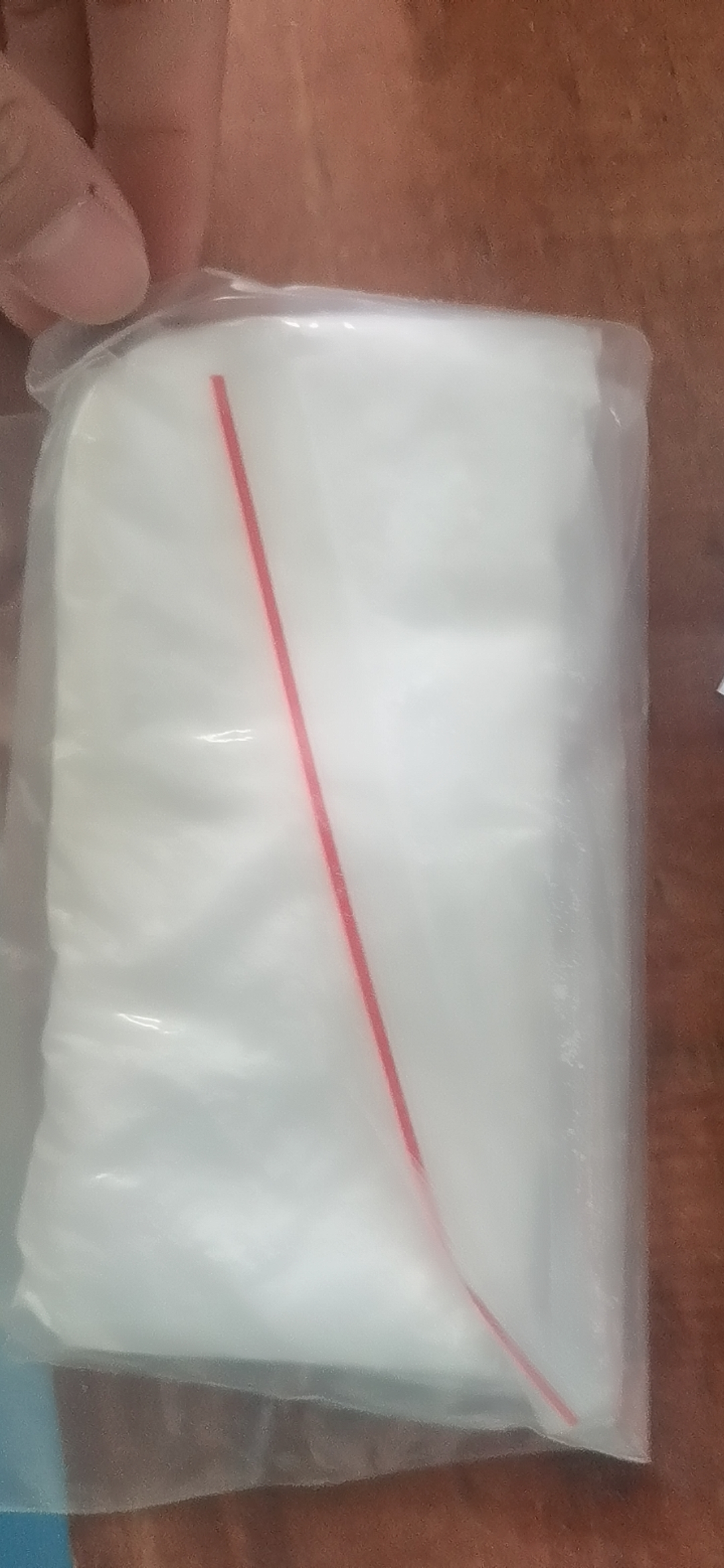
CAS Number: 1303-96-4
Borax
Borax, also known as sodium borate, is a chemical compound that has various applications in different fields. One of its main uses is in the production of glass and ceramics. It is used as a flux to lower the melting point of silica, which is the main component of glass and ceramics. In addition to its use in the production of glass and ceramics, Borax can also be used as a cleaning agent and a laundry detergent. It is known for its ability to remove stains and dirt from clothes and surfaces. Furthermore, it can be used as a fire retardant, particularly in the production of wood-based products such as plywood and particleboard. Borax is also used in the agricultural industry as a fertilizer and a pesticide. It is known for its ability to control different types of pests such as ants, cockroaches, and weeds.
Supplier Information
HM Chemical Trading GmbH supplies industrial-grade specialty chemicals and raw materials with reliable international logistics support.
References
-
Effect of borax and magnesia on setting, strength, and microstructure of acid-activated fly ash geopolymers
This study systematically investigates the effects of borax and magnesia on the setting behavior, compressive strength, and microstructure of phosphoric acid-activated fly ash geopolymers (PAAFG), which typically suffer from flash setting and narrow processing windows due to calcium-rich phases. While borax acts as a retarder and magnesia as an accelerator, their combined use—optimized at a borax-to-magnesia mass ratio (B/M) of 1 and a total dosage (TBM) of 8 wt%—achieved the highest compressive strength of 11.52 MPa by promoting dense, phosphate-rich amorphous gels (e.g., Si-O-B-O-P and Al-O-P structures) and suppressing excessive crystalline phosphate formation. Lower phosphoric acid concentration (PAC) and higher liquid-to-solid (L/S) ratios prolonged setting, whereas B/M = 2 maximized workability. Excessive borax or magnesia disrupted gel continuity and reduced strength. The findings provide a composition-processing control framework (B/M-TBM) that decouples workability from strength optimization, enabling tailored PAAFG formulations for low- to medium-strength applications such as masonry blocks and mine backfill.
DOI: 10.1016/j.conbuildmat.2025.144013