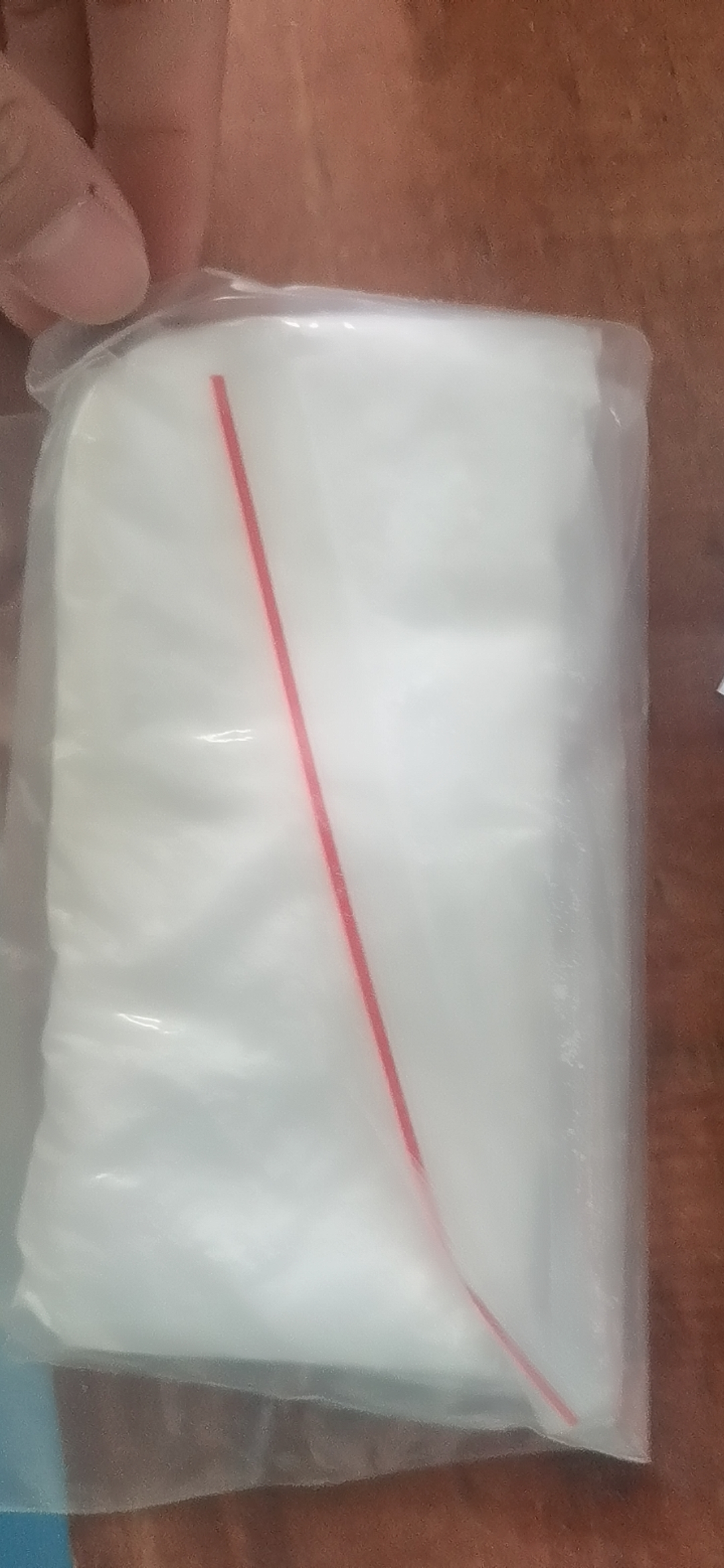
CAS Number: 110-63-4
1,4-Butanediol
1,4-Butanediol is a chemical compound that has potential applications in different fields. One of its main uses is in the production of plastics, fibers, and polyurethanes. It is used as a building block in the synthesis of different types of polymers that have applications in different industries such as automotive, construction, and electronics. In addition to its use in the production of plastics and fibers, 1,4-Butanediol can also be used as a solvent and a fuel additive. It is known for its ability to dissolve different types of compounds, making it a versatile compound that can be used in different processes. Furthermore, it can be used as a precursor in the synthesis of various chemicals such as pharmaceuticals, flavors, and fragrances.
Supplier Information
HM Chemical Trading GmbH supplies industrial-grade specialty chemicals and raw materials with reliable international logistics support.
References
-
Engineering Precursor and NADPH Supply to Enhance 1,4-Butanediol Production in Plasmid-Free Escherichia coli
This study engineered a plasmid-free Escherichia coli strain for the efficient biosynthesis of 1,4-butanediol (1,4-BDO), a key non-natural platform chemical for biodegradable plastics, by addressing the limitation of inadequate NADPH availability. Five heterologous enzymes were introduced into E. coli, and through coordinated regulation of pathway expression and enhancement of rate-limiting steps, an initial titer of 0.93 g/L was achieved from glucose. Precursor engineering to boost succinyl-CoA availability and intermediate accumulation increased the titer to 1.87 g/L. Strengthening endogenous NADPH-generating pathways and developing an intracellular biohybrid system raised intracellular NADPH levels by 73%, further improving the titer to 2.54 g/L. After fermentation optimization, the best strain, BDO-25, produced 3.1 g/L and 7.5 g/L of 1,4-BDO in shake-flask and 5-L bioreactor fermentations, respectively, without the need for antibiotics or inducers, offering a highly efficient and scalable strategy for NADPH-dependent diol biosynthesis.
DOI: 10.1021/acssynbio.6c00091