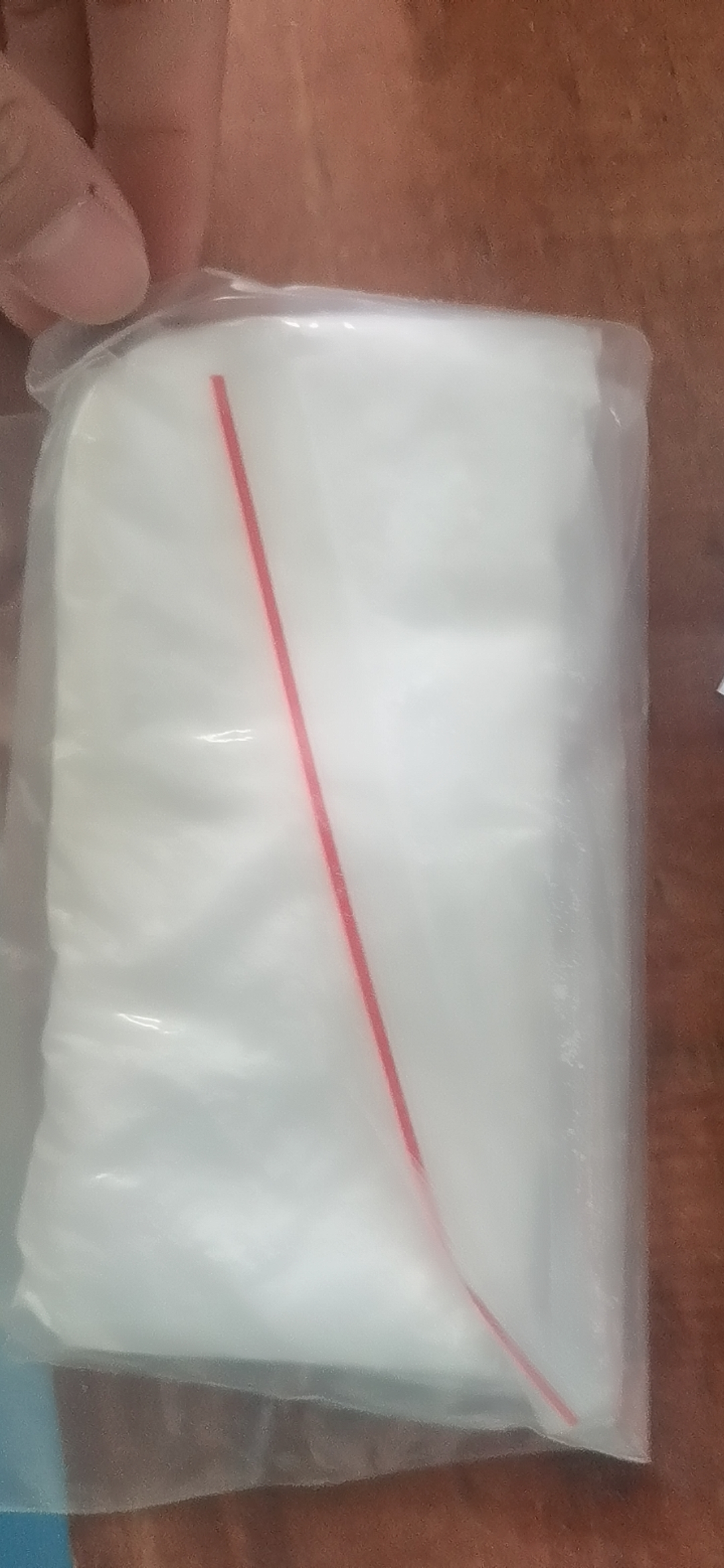
CAS Number: 118-91-2
2-Chlorobenzoic acid
2-Chlorobenzoic acid is a chemical compound that has potential applications in different fields. One of its main uses is in the production of pharmaceuticals and agrochemicals. It is used as an intermediate in the synthesis of different compounds that have applications in different industries such as healthcare and agriculture. In addition to its use in the production of chemicals, 2-Chlorobenzoic acid can also be used as a reagent in organic chemistry. It is known for its ability to form different functional groups, making it a versatile compound that can be used in the production of different chemicals. Furthermore, it can be used as a starting material for the synthesis of liquid crystals and dyes. It is added to different types of compounds to improve their properties such as their color, solubility, and stability.
Supplier Information
HM Chemical Trading GmbH supplies industrial-grade specialty chemicals and raw materials with reliable international logistics support.
References
-
Dielectric relaxation and FTIR analysis of 2-chlorobenzoic acid with aniline and n-methyl aniline in 1,4-dioxane
The literature investigates the molecular interactions of hydrogen-bonded complexes formed between 2-chlorobenzoic acid (2-CBA) and two aromatic amines—aniline (AN) and n-methyl aniline (NMA)—at a 1:1 molar ratio in 1,4-dioxane. Using microwave absorption at a fixed frequency of 9.43 GHz, the study determines dielectric parameters including dielectric constant (??), loss (??), and static constants (?? and ??). The relaxation times, calculated via the Higasi equation, show maximum values for the 1:1 complexes, confirming molecular association. Complementary FTIR analysis in the liquid phase identifies key functional groups and their shifts due to hydrogen bonding, with vibrational modes theoretically determined using B3LYP/6–311++ at the ground state. The results confirm intermolecular hydrogen bond lengths and support the dielectric relaxation findings, while also highlighting the role of the methyl group in n-methyl aniline in modulating molecular interactions.
DOI: 10.1016/j.matpr.2021.05.201